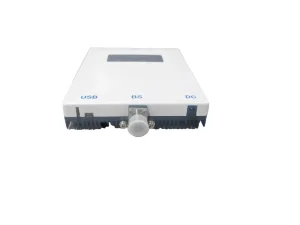
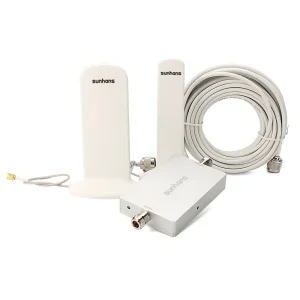
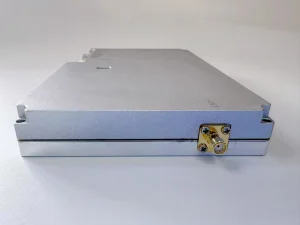
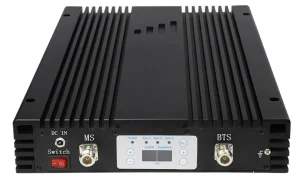
Ad-Hoc Network 20W Tdd Power Amplifier for Marco Base Station

Certification: CE
Condition: New
Usage: Telephone, Workstation, Mobile Phone

Product Description

Power Amplifier Banner
Product Overview
High Performance GaN Technology

Our advanced 20W GaN Power Amplifier (PA) delivers exceptional reliability and stability for demanding telecommunications applications. Engineered with cutting-edge Gallium Nitride technology, this amplifier combines compact design with low power consumption, making it the ideal solution for modern wireless infrastructure.
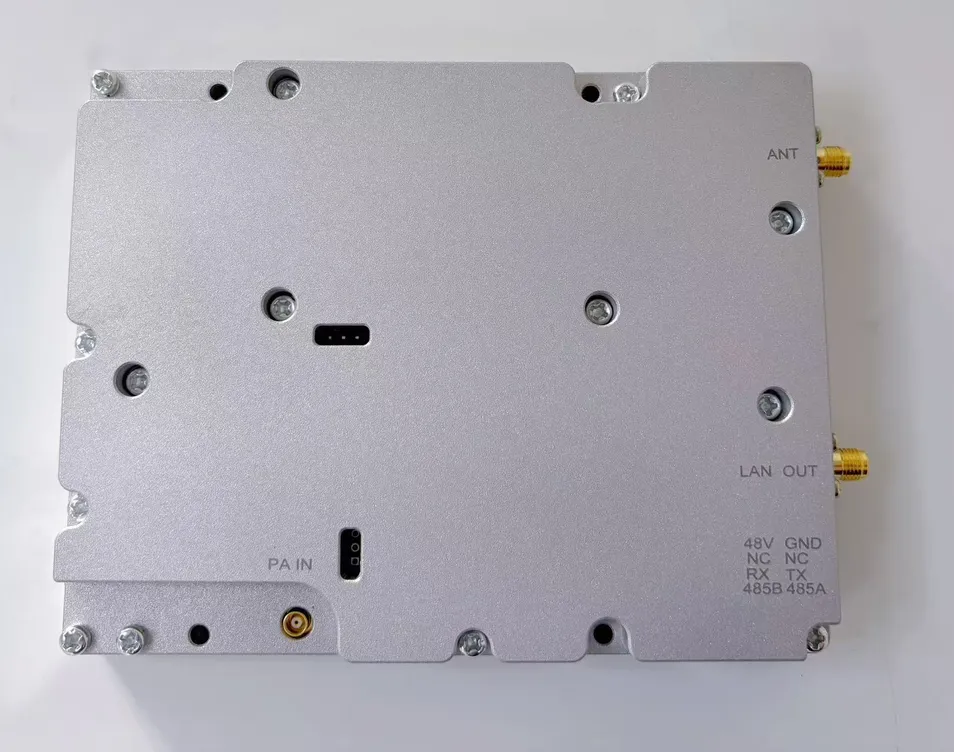
GaN Power Amplifier
Technical Specifications
Model Options 2.8~3.0G-20W-1411-48VGaN / 3.0~3.2G-20W-1411-48VGaN
Frequency Range 2800MHz - 3000MHz / 3000MHz - 3200MHz
Max Gain UL: 10±2dB | DL: 53±2dB
Output Power DL: 43±1dBm (20W)
Operating Voltage 48V
Operating Current ≤2.5A
EVM ≤5% (PAPR 8.0dB)
VSWR ≤1.4
Working Temperature -40℃ to +55℃
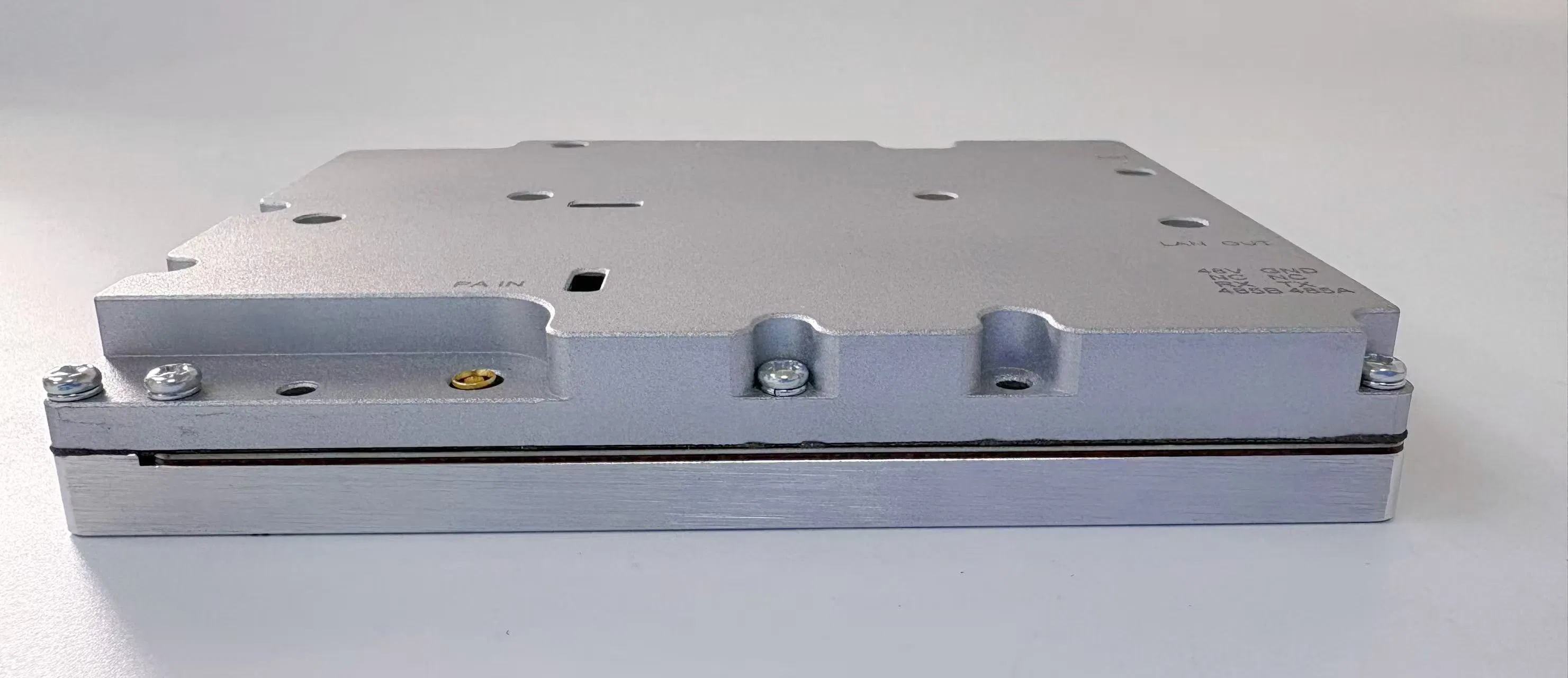
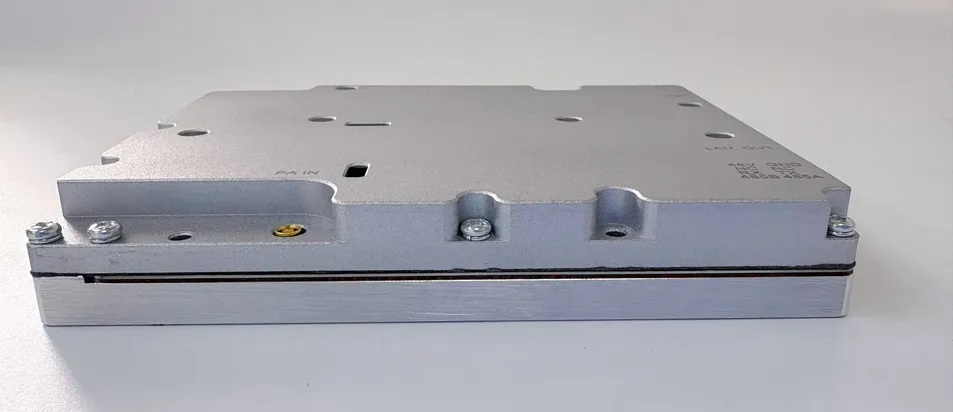
Dimensions 140 * 110 * 22 mm
Key Applications
Wireless Base Station Infrastructure: Amplifies RF signals for 2G/3G/4G/5G networks in macro and micro sites.
FDD Communication Systems: Optimized for Frequency Division Duplex networks ensuring reliable uplink/downlink paths.
Distributed Antenna Systems (DAS): Powers indoor and outdoor installations in commercial buildings and stadiums.
Private Mobile Networks: Supports industrial LTE/5G for manufacturing, mining, and smart city infrastructure.
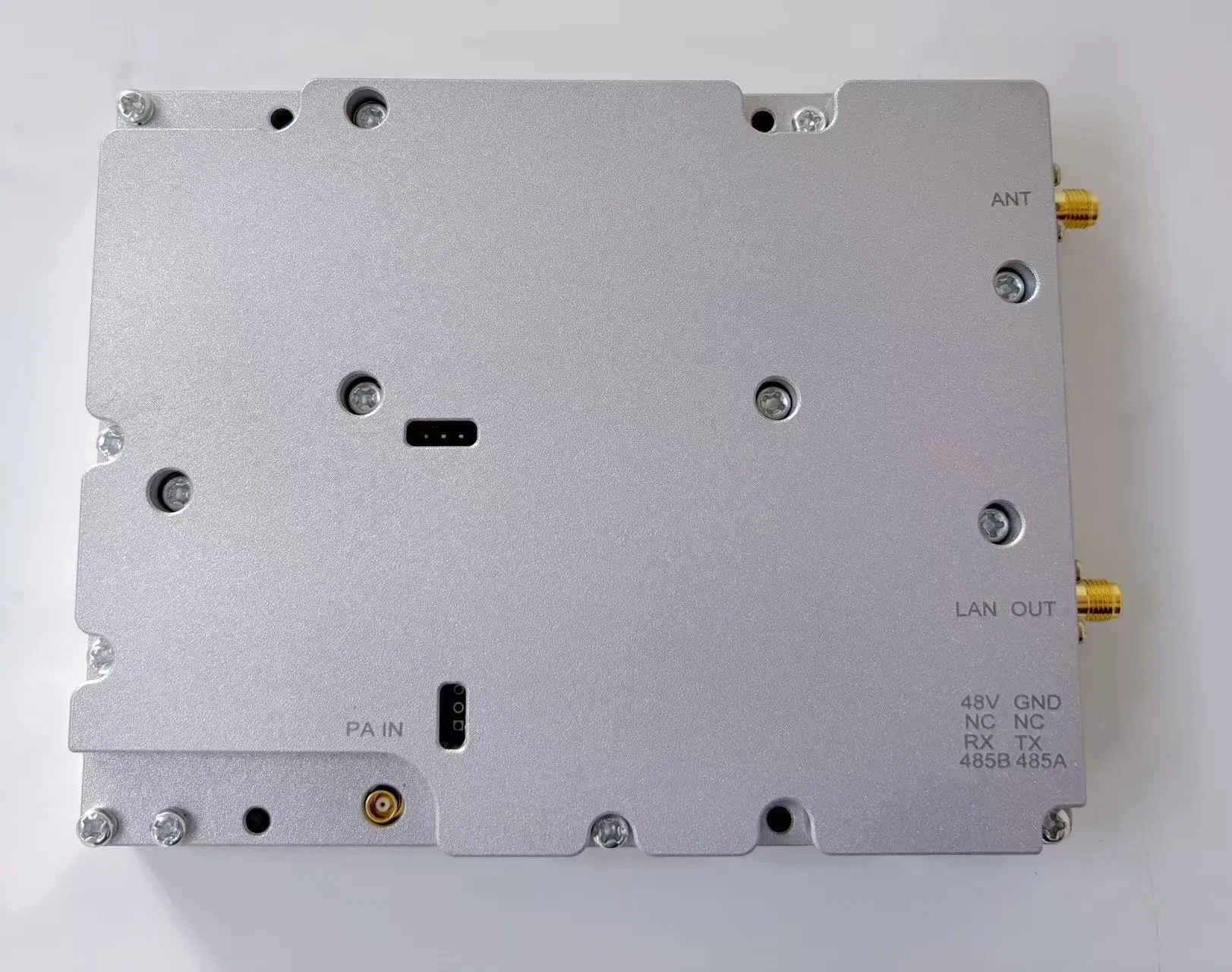
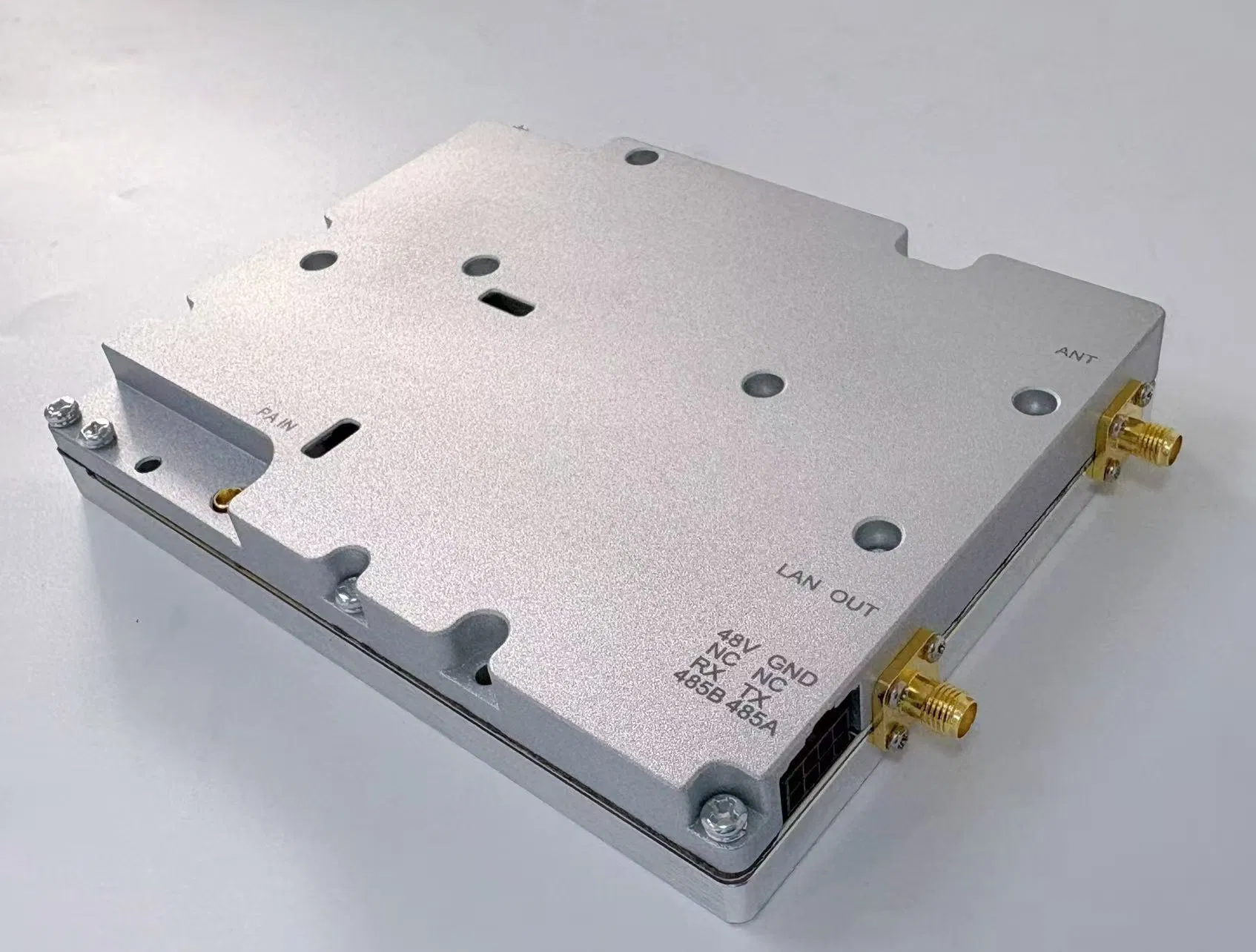
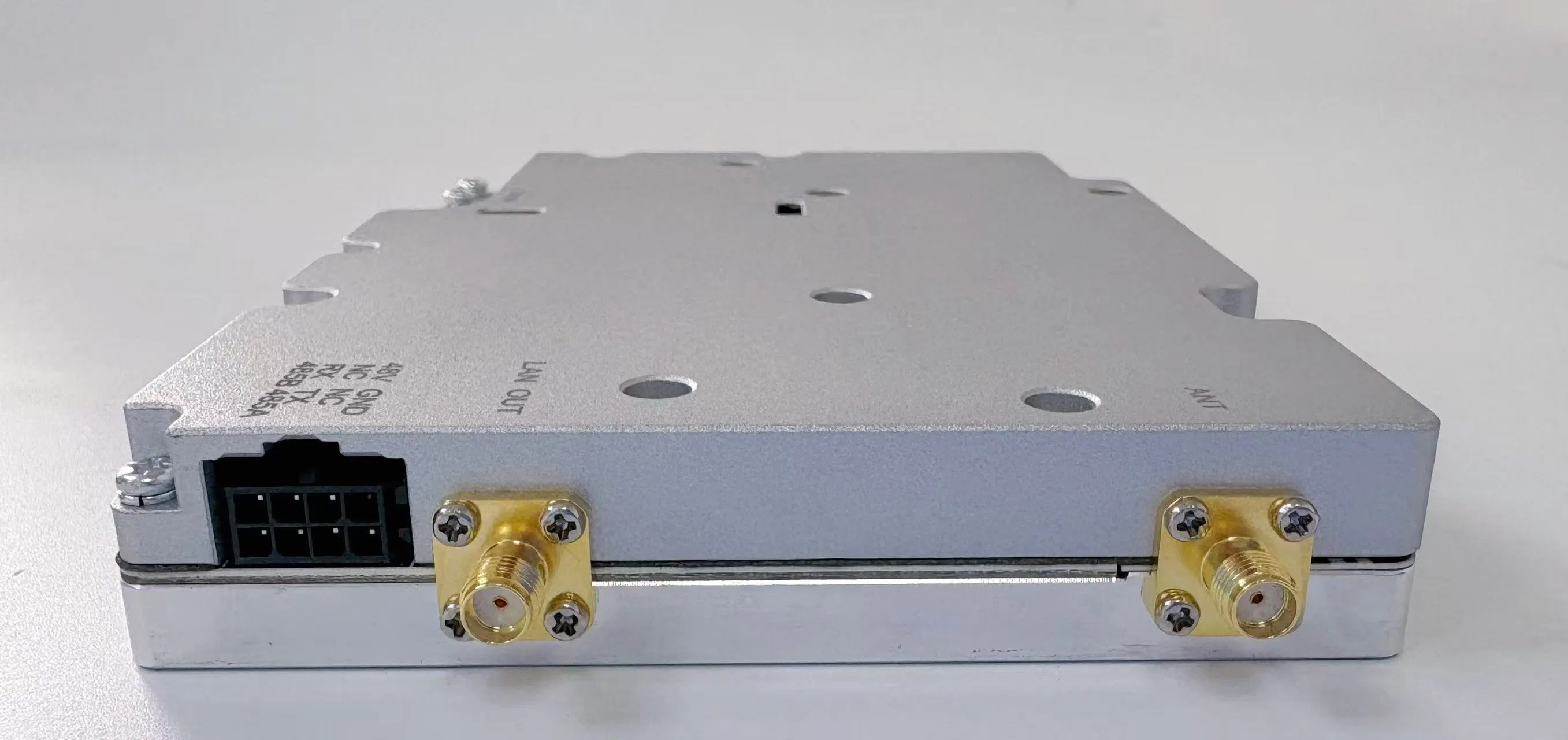
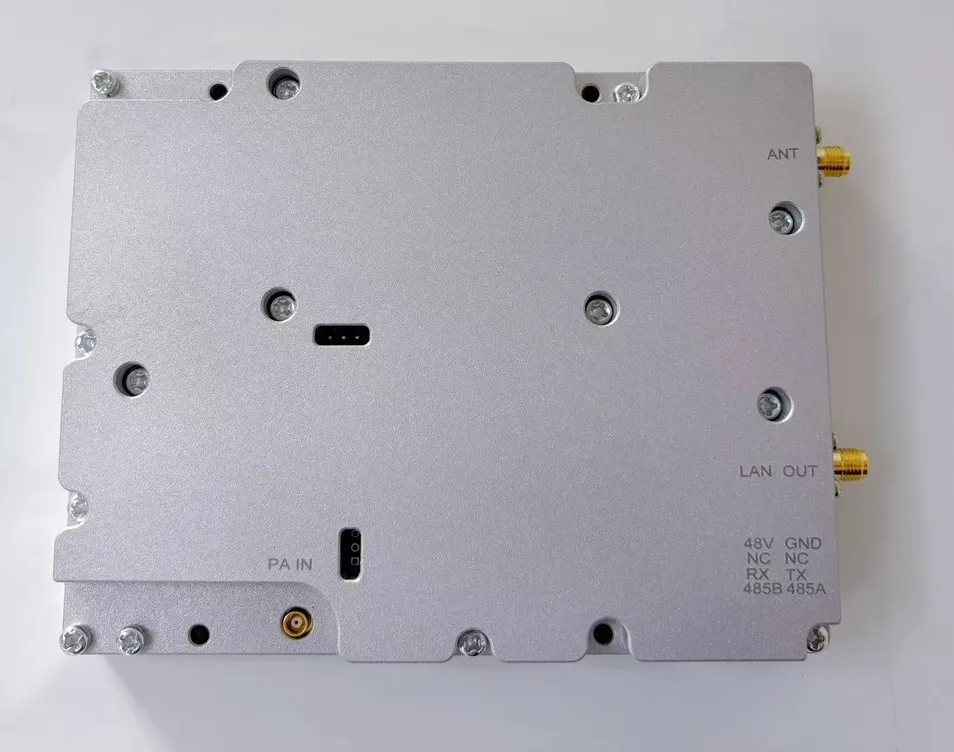
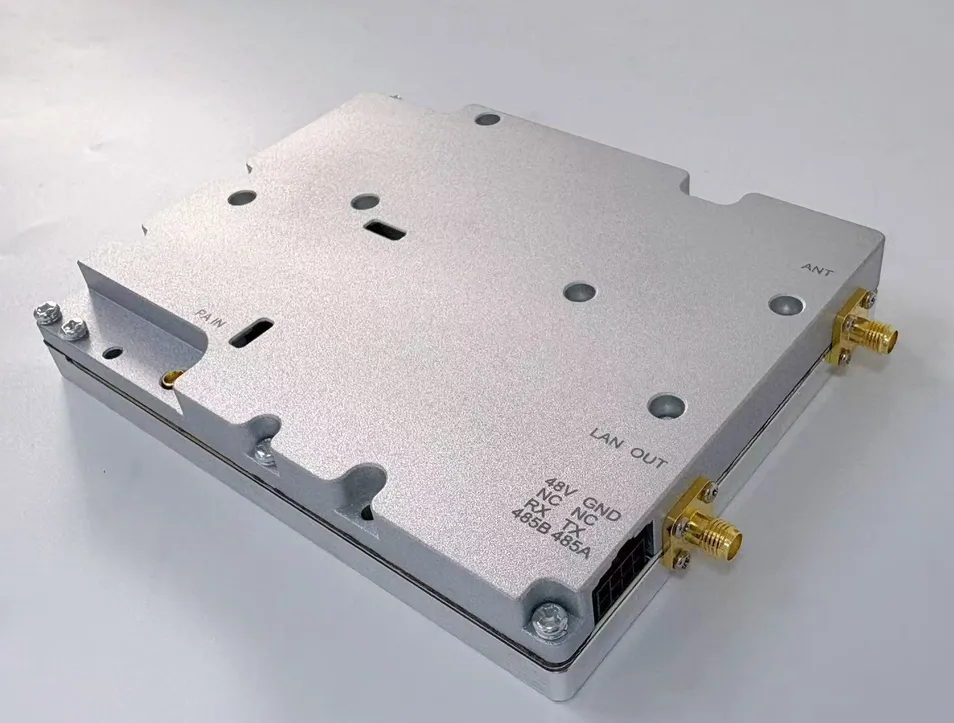
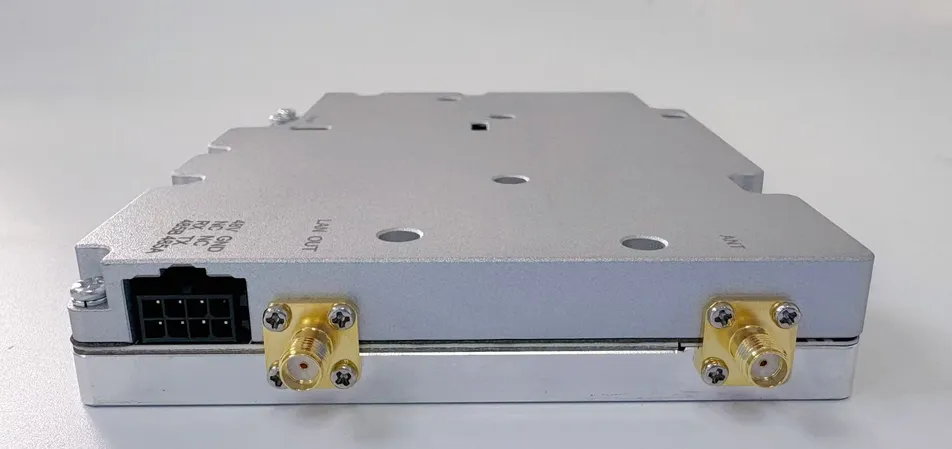
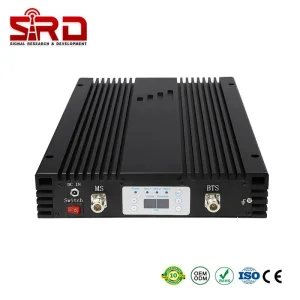
Detailed Product Photos
Monitoring & Protection
Intelligent Monitoring

RS485 protocol support for real-time query of power amplifier status, temperature, ATT values, and detected forward power.

Built-in Protection

Equipped with Over-temperature protection (Alarm at +85℃, auto-resume at 65℃) and Over-power alarms (+2dB threshold).
Frequently Asked Questions
Q1: What should I check if the output power is lower than expected?
Verify the input signal strength first. Then check if the ALC (Automatic Level Control) settings are set too low in the software. Finally, inspect rear-end cables and connectors for excessive loss.
Q2: How do I resolve low gain issues?
Check the control software to see if the ATT (Attenuator) function is enabled. Calibrate your test system components (cables/connectors) to ensure they aren't causing signal attenuation.
Q3: What causes a high VSWR reading?
Most abnormal VSWR readings are caused by poorly matched or faulty external components like cables and passive loads. Test the amplifier independently with calibrated instruments to isolate the fault.
Q4: What are the thermal protection thresholds?
The system triggers an alarm and shuts down at +85℃ to prevent hardware damage. It automatically resumes operation once the temperature cools to 65℃.
Q5: What types of connectors are used on this module?
The unit utilizes three connectors: PA IN adopts an MCX connector, while both LNA OUT and the Antenna (ANT) port use standard SMA connectors.
Q6: What communication protocol is used for management?
It supports the RS485 communication protocol with a baud rate of 19200, allowing for comprehensive remote management and diagnostics via dedicated software.

Related Products