Basic Information
Model NO.
IS-3F (Intercom system 3 frequency)
Quantity
Depends on Floors
Transport Package
Carton Box
Specification
200*120*50mm
Capacity
30000 Pieces/Year
Product Description
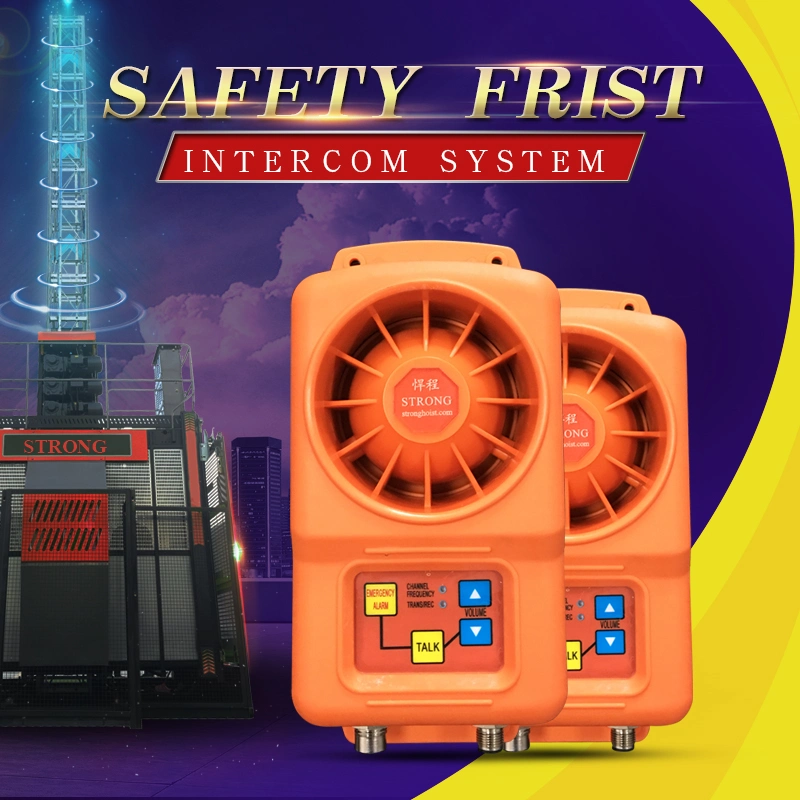
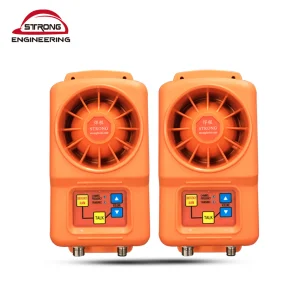
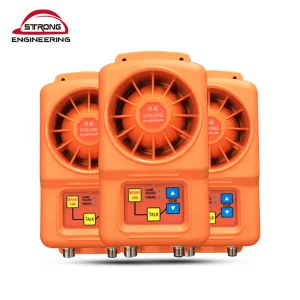
Specifically designed and manufactured to provide CRYSTAL CLEAR communications to help create a safer work environment, which increases PRODUCTIVITY and lowers the risk of LIABILITY.
Safety First
Mainly used on construction and temporary Hoists/Elevators, it is recommended by OSHA and considered the industry standard in the USA, Canada, and Australia.
Communication is critical to provide workers a way to contact the elevator operator in case of an emergency. When a worker is hurt, seconds count to get medical attention.
As a general intercom system, it allows supervisors and workers to locate and communicate with each other, tremendously reducing downtime and increasing project profit.
Intercom System Overview
- All units interchangeable
- No antenna wire required
- Two-way communications
- Volume controlled Car Units
- Powered by safe 24 volts DC
- Multiple frequency channels
- Emergency alarm switches
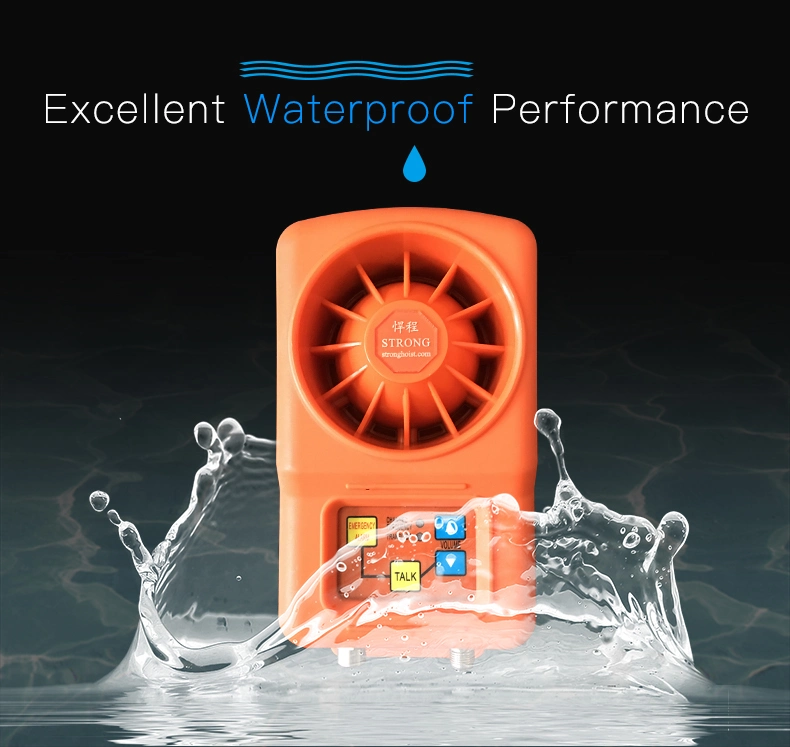
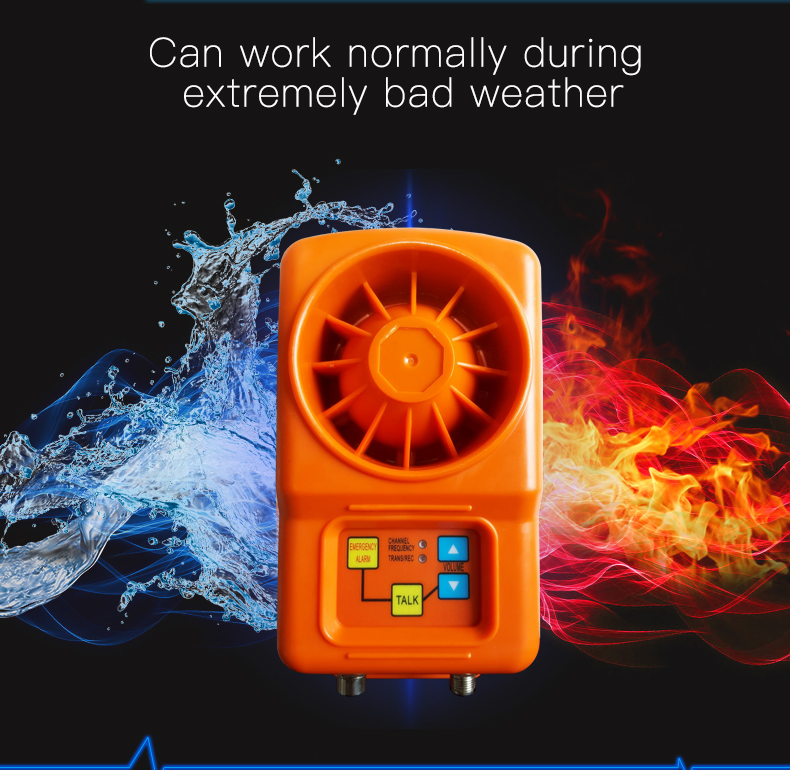
- Operates in extreme weather
- Backup battery power supply
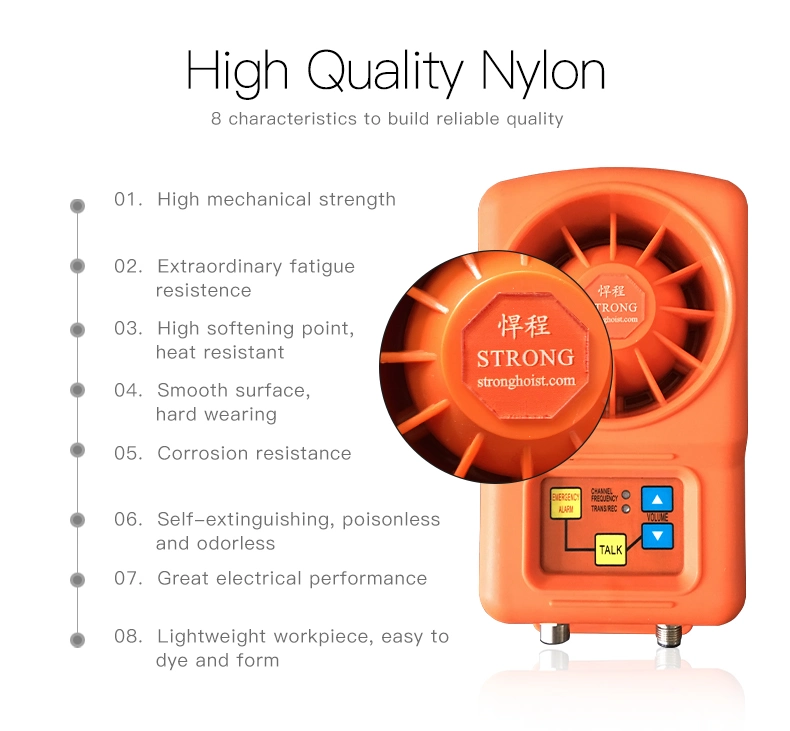
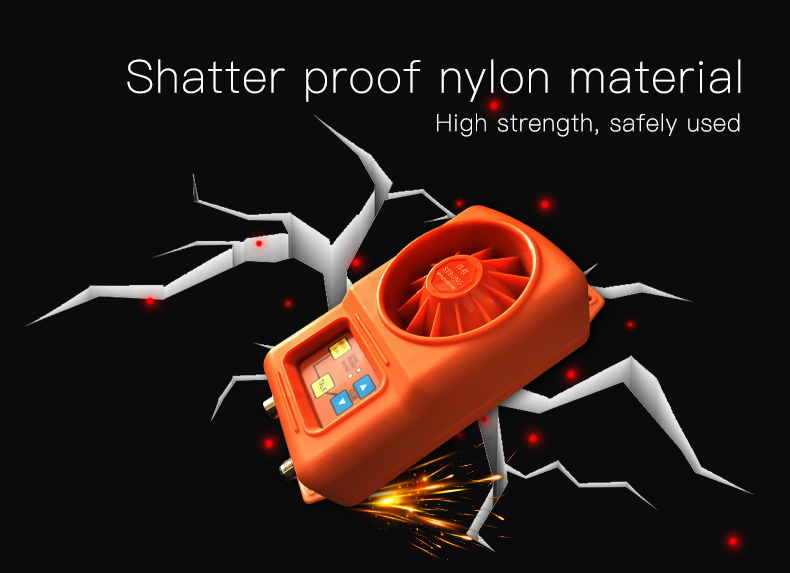
- Heavy duty composite Nylon enclosure
- Microphone gain adjustment
- Mute function availability
Introduction & Features
Site: Used in industrial elevators, building elevators, and construction hoists.
Function: Provides emergency calls between floors and the elevator driver, improving production efficiency and preventing accidents.
Functional Features
- Signal transmission via protection loop line; stable and reliable.
- No connection with high voltage, ensuring system safety.
- No electromagnetic wave pollution; no radio frequency application needed.
- Squelch function and busy signal prompts.
- Electronic volume control for convenient adjustment.
- Three frequencies available for clear voice.
Specification Parameters
Supply Voltage
220V AC or 110V AC
Effective Range
>300m (Resistance <600 ohm)
Frequencies
250KHz, 741KHz, or 800KHz
System Installation
Important Note: In the communication system, the protective grounding wire passing through the coupler cannot be grounded in the middle ground.
Floor Installation: Fit the intercom and connect with the accessory power cable. A dedicated power supply device can drive up to twenty units. Connect the power supply to the junction box and then to the coupler.
Lifting Cage Installation: Connect the intercom, call device power supply, and coupler. Ensure the protective ground wire passes through the hole of the coupler and is connected with the ground.
Terminal Description
| NO |
Terminal |
Cable Detail |
Explanation |
| 1 | L | Power (Blue) | Three core cable |
| 2 | N | Power (Brown) | Three core cable |
| 3 | G | Ground (Yellow) | Three core cable |
| 4 | -V | Cable Shield | Four core shielded |
| 5 | -V | Negative Power (Brown) | Four core shielded |
| 6 | +V | Positive Power (Black) | Four core shielded |
| 7 | +V | Positive Power (Blue) | Four core shielded |
Frequently Asked Questions
What causes a total communication failure?
Failure usually occurs if the protective ground wire is grounded in the middle, or if the protective earth wire is not properly connected to the hanging basket.
How can I fix poor communication quality?
Poor quality is often caused by high resistance in the ground wiring or loose connections. Check all ground points for stability.
What should be done if there is interference from the motor?
Motor interference typically indicates that the cables require better shielding. Ensure all four-core shielded cables are correctly installed.
Is a radio license required for this system?
No, this system uses a protection loop line for transmission and does not produce electromagnetic wave pollution, so no radio frequency application is needed.
How many units can one power supply drive?
A dedicated power supply device is designed to drive up to twenty intercom units efficiently.
Can the system be used in extreme weather?
Yes, the system is built with heavy-duty composite Nylon Plastic enclosures and designed to operate in extreme weather conditions common to construction sites.
 Elite Smartphone