The rise of Android tablets has sparked a debate: Can an Android tablet replace a laptop or desktop for work? This question is increasingly relevant as technology evolves. In 2026, we may see significant advancements in tablet capabilities. Many users find tablets lightweight, portable, and convenient for various tasks. However, the effectiveness of Android tablets for professional use still depends on multiple factors.
Android tablets offer a range of applications for productivity. They are well-suited for browsing, emailing, and video conferencing. Yet, creating complex documents or spreadsheets might pose challenges. Many professionals rely on specialized software that may not perform well on tablets. The limited multitasking capabilities and smaller screen size can hinder efficiency.
Moreover, the user experience can vary between devices. Not all tablets have the same processing power or storage capacity. Battery life also remains a concern for heavy users. As we explore this topic, it's essential to analyze both the advantages and limitations of Android tablets. Understanding these aspects will help users make informed decisions about their work devices in the near future.
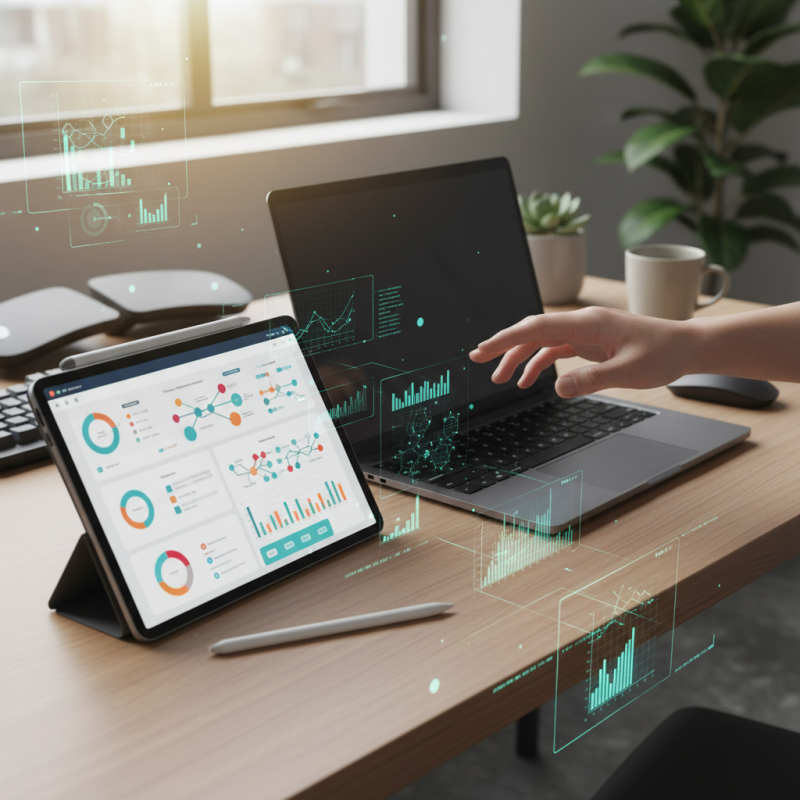
The Evolution of Android Tablets: From Leisure to Work Tools
The evolution of Android tablets has transformed them from mere leisure devices to viable work tools. Initially, these tablets offered basic functions—browsing, streaming, and light gaming. Over time, manufacturers started enhancing their capabilities. More powerful processors, increased storage, and improved multitasking features have significantly boosted their utility.
User experiences highlight some flaws. Certain apps still lack full functionality found on traditional laptops. Multitasking can be sluggish, especially when managing multiple documents or heavy applications. The absence of a physical keyboard may deter some users, although many have adapted to touchscreen interfaces. Battery life remains another consideration. While tablets tend to perform well, heavy usage can drain power quickly.
Despite these challenges, the potential for Android tablets in professional environments is growing. As applications become more sophisticated, and as users demand increased versatility, tablets are starting to fill work niches. The question remains: Can they fully replace laptops by 2026? Only time will tell, but the trajectory suggests a promising shift. The journey from casual use to serious productivity is ongoing, with both benefits and shortcomings to explore.
Key Features That Enhance Productivity on Android Tablets
As we look towards 2026, the question remains: can Android tablets fully replace laptops for work? Several key features enhance productivity on these devices. One significant aspect is the improved multitasking capabilities. Users can run multiple apps smoothly, which boosts efficiency. This function mimics a traditional desktop experience, drawing professionals toward tablets for work tasks.
Another area of growth is application support. Android tablets now support various software that was once exclusive to laptops. This shift allows for creative tasks, data analysis, and project management right from the tablet. The touch interface is user-friendly, which can streamline workflows. However, some users may feel limited without a physical keyboard or mouse.
**Tips:** Invest in a high-quality keyboard case. It can transform your tablet into a mini workstation. Regularly assess which apps you use most. Some may perform better on laptops. Adaptation is key as not all tasks will translate perfectly to a tablet.
Improved cloud integration offers another productivity boost. Storing and accessing files seamlessly across devices encourages a more flexible work environment. Yet, some users may encounter connectivity issues that hinder productivity. It's essential to maintain offline access to critical files.
Comparative Analysis: Android Tablets vs. Traditional Laptops
The landscape of mobile computing is evolving. By 2026, the question of whether Android tablets can replace traditional laptops for work remains relevant. Android tablets offer portability and touch capabilities. They excel in tasks like browsing, email, and document editing. Yet, their limitations become evident in productivity scenarios.
For professionals needing powerful software or multitasking, tablets may fall short. While Android systems have improved, they lack the full desktop experience of laptops. Limited software support can hinder complex tasks. High-performance applications often run smoother on laptops. This creates a gap in functionality for professionals.
Tips for effective use:
1. Choose a tablet with sufficient RAM for your tasks. This ensures smoother performance.
2. Use a detachable keyboard for easier typing on the tablet. This can enhance your workflow significantly.
3. Explore different apps that optimize your work processes on Android. Tailor them to your needs for better efficiency.
The gap between tablets and laptops may narrow, but essential capabilities remain in laptops' favor. Reflection is vital when adapting to new devices. Consider what tools enhance your productivity.
Can Android Tablets Fully Replace Laptops for Work in 2026? - Comparative Analysis: Android Tablets vs. Traditional Laptops
| Feature |
Android Tablets |
Traditional Laptops |
| Portable |
High |
Moderate |
| Battery Life |
Up to 15 hours |
Up to 10 hours |
| Software Compatibility |
Limited |
Wide |
| Multitasking Ability |
Good |
Excellent |
| Storage Options |
16GB-512GB |
128GB-4TB |
| Input Method |
Touchscreen |
Keyboard & Touchpad |
| Cost |
$200-$600 |
$500-$3000 |
Industry Adoption Rates of Android Tablets for Professional Use
The rise of Android tablets in the workplace is significant. Professionals are starting to embrace these devices for their portability and flexibility. In 2026, many companies may find that Android tablets meet their work needs effectively. Certain industries are already leading the way in adoption rates. This trend could provide insights into future workplaces.
One critical factor is app compatibility. Many professionals rely on specific applications. It is essential to check whether your essential apps work on Android tablets. The ecosystem must match your work requirements. If the right tools are absent, productivity may suffer.
Tips: Evaluate your workflow before making a switch. Consider how well Android tablets can handle your tasks. Document any limitations you encounter. Sharing this feedback can help improve future device capabilities.
Another aspect is the device's performance. Users may worry about processing power and multitasking. Testing tasks like video editing or complex spreadsheets is vital. A tablet's speed can impact efficiency significantly. Be aware that not every tablet performs equally.
Tips: Look for user reviews and performance tests. Gather data on device capabilities used in your industry. This insight will guide your decisions toward better tools.
Future Trends: How Technology Could Bridge the Gap by 2026
The rise of Android tablets as potential laptop replacements hinges on key technological advancements. By 2026, cloud computing could evolve significantly. According to a report by Gartner, the global cloud services market is expected to reach $623 billion by 2023. This growth indicates a shift toward cloud-based applications, making heavier processing less reliant on local hardware. Android tablets may integrate this trend effectively.
User interface improvements are crucial for productivity. Tablets have made strides with stylus support and improved multitasking features. A survey by IDC revealed that 72% of professionals prefer larger screens for productivity tasks. As Android device manufacturers refine their offerings, this desire for larger displays may push tablet capabilities closer to traditional laptops. Seamless integration with peripherals, like keyboards and monitors, remains essential.
Despite these advancements, challenges persist. Battery life and processing power still lag behind laptops. Users may find limitations in software compatibility, especially for industry-specific tools. A report from Statista shows that 37% of workers express concerns about using tablets for complex tasks. Addressing these weaknesses is vital for Android tablets to become viable work alternatives by 2026.
Comparing the Performance of Android Tablets and Laptops for Work in 2026
This chart compares the projected productivity scores of Android tablets and laptops for work in 2026. While Android tablets are expected to improve significantly, laptops will still maintain an edge in overall productivity during this period.
Conclusion
The article "Can Android Tablets Fully Replace Laptops for Work in 2026?" explores the significant evolution of Android tablets, highlighting their transition from devices primarily for leisure to becoming viable work tools. Key features that enhance productivity, such as multitasking capabilities, various application ecosystems, and improved hardware, are discussed, painting a picture of how these devices could perform in professional settings.
A comparative analysis reveals both the strengths and weaknesses of Android tablets relative to traditional laptops, noting industry adoption rates that indicate a growing acceptance of tablets for professional use. As technology advances, future trends suggest that by 2026, enhancements in software and hardware could bridge the current gaps. Ultimately, the article invites readers to ponder: can an Android tablet replace a laptop or desktop for work?

 Elite Smartphone