In today's fast-paced and demanding environment, the choice of technology can significantly impact productivity and efficiency. When considering devices that endure extreme conditions, one question stands out: "Why should you choose a rugged tablet over a regular tablet?" Rugged tablets are engineered to withstand harsh elements. They resist drops, water, and dust, making them ideal for various challenging work settings.
Regular tablets may seem appealing for their sleek designs and portability. However, they often lack the durability required for tough job sites. A rugged tablet secures your investment by providing long-lasting performance, even in adverse conditions. Imagine field workers utilizing a tablet that can survive a fall from six feet. This reliability can enhance workflow and reduce downtime.
It's essential to recognize that not every rugged tablet is perfect. Some may weigh more or have limited software options. Evaluating your specific needs is crucial. In conclusion, choosing the right tablet is about understanding the balance between convenience and durability. A rugged tablet may be the better option in environments where durability is paramount.
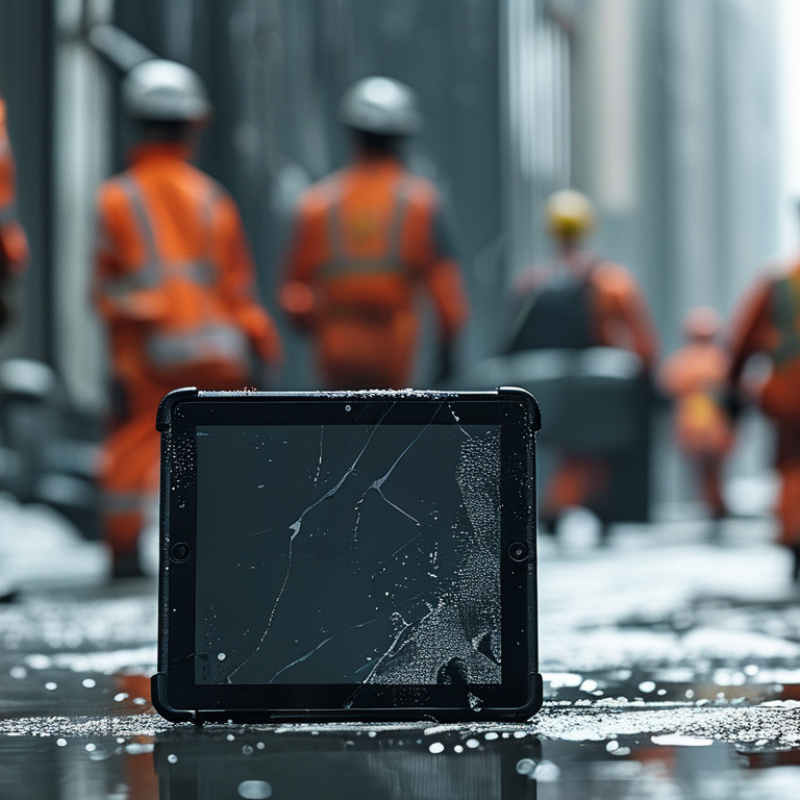
Benefits of Rugged Tablets in Harsh Environments
Rugged tablets are designed with durability in mind, making them ideal for harsh environments. These devices offer superior protection against drops, water, and dust. This is crucial for industries like construction, manufacturing, and fieldwork, where conditions can be unpredictable.
The materials used in rugged tablets enhance their longevity. They often feature shock-absorbing casings and reinforced screens. This design reduces the chances of damage from impacts. Using a rugged tablet can prevent data loss and device failure in tough situations. It helps professionals focus on their tasks, not on worrying about their equipment.
**Tip:** When choosing a rugged tablet, consider the IP rating. This indicates its resistance to water and dust. A higher rating typically means better protection.
Another advantage is usability in extreme temperatures. Rugged tablets are engineered to operate effectively in both high and low temperatures. This flexibility ensures that workers can use the device without it failing due to environmental factors. However, it’s essential to test devices before relying on them fully. Each environment can have unique challenges that might impact performance.
**Tip:** Always protect the device with screen guards. Even rugged tablets can benefit from additional protection. Small scratches can lead to bigger issues over time.
Durability Comparison: Rugged Tablets vs Regular Tablets
Comparative Analysis: Rugged Tablets vs. Regular Tablets
When comparing rugged tablets to regular tablets, durability emerges as a key factor. Rugged tablets are built for harsh environments. These devices can withstand drops, vibrations, and extreme temperatures. For construction sites, a rugged tablet can survive a fall from six feet without damage. Regular tablets, however, tend to be more fragile. A simple slip can lead to cracked screens and costly repairs.
In terms of water and dust resistance, rugged tablets excel. They often feature IP65 or IP68 ratings, which means they are dust-tight and can survive immersion in water. Regular tablets usually lack such robust protection. This makes rugged tablets ideal for outdoor work, unlike regular tablets. Yet, they can be heavier and bulkier. Some users may prefer the sleek design of regular tablets for daily tasks.
Choosing the right device requires assessing your environment. If you work in demanding conditions, the rugged option may be best. However, if portability and aesthetic appeal matter more, a regular tablet may suffice. Both options have their merits, which should be evaluated based on individual needs. Each tablet type presents distinct advantages and trade-offs. Understanding these nuances is crucial for making an informed decision.
Key Features of Rugged Tablets Enhancing Durability
Rugged tablets stand out for their durability in challenging environments. They are built to withstand harsh conditions that regular tablets cannot handle. Key features contribute to their reliability, making them a preferred choice for industries like construction and healthcare.
One significant feature is their reinforced chassis. This construction allows them to endure drops and impacts without sustaining damage. Many rugged tablets also have IP ratings, indicating resistance to dust and water. These devices can function in wet or dusty conditions, enabling use in various fields. They often include hardened glass screens, reducing the chances of cracks or scratches.
Battery life is another crucial factor. Rugged tablets typically possess larger batteries, ensuring long operational hours. Users can rely on them during extended shifts without constant recharging. However, their weight can be a drawback. Some users may find them bulkier than standard tablets. This consideration is essential for mobility and ease of use. Testing them in real-world conditions is vital to determine their practicality for specific tasks.
Real-World Applications of Rugged Tablets in Various Industries
Rugged tablets have become essential tools in various industries, thanks to their durability and resistance to extreme conditions. In construction, workers face dust, moisture, and physical impacts. Regular tablets may fail under these circumstances, but rugged models withstand harsh environments. They offer features like reinforced screens and sealed ports, ensuring reliable performance on job sites.
In healthcare, rugged tablets streamline patient care. They can be sanitized easily, preventing the spread of infections. Medical staff often work in chaotic environments. With their durable design, rugged tablets remain functional in high-pressure situations. They help in accessing patient records instantly, improving response times.
The logistics industry relies on rugged tablets for real-time data access. Delivery personnel need devices that can survive drops and exposure to weather. These tablets help track shipments efficiently. However, some users find them heavier than regular tablets. This can be a consideration for those who prioritize mobility. Nevertheless, the trade-off for durability often justifies the weight.
Why Choose Rugged Tablets Over Regular Tablets for Durability? - Real-World Applications of Rugged Tablets in Various Industries
| Industry |
Application |
Rugged Tablet Features |
Benefits Over Regular Tablets |
| Construction |
Site Management |
Drop-resistance, weather-sealed |
Survives harsh environments and drops |
| Healthcare |
Patient Monitoring |
Antimicrobial surface, IP rating |
Easily cleanable, safe for patient use |
| Military |
Field Operations |
Shockproof, extreme temperature tolerance |
Reliable performance in extreme conditions |
| Manufacturing |
Quality Control |
Dustproof, long battery life |
Durable in dusty environments, lasts all shifts |
| Logistics |
Warehouse Management |
Rugged design, GPS and barcode scanning |
Improved workflow in tough conditions |
Cost Considerations for Investing in Rugged Tablets
Investing in rugged tablets can seem costly at first glance. However, the long-term benefits often outweigh the initial expense. These devices are designed for demanding environments. They withstand drops, spills, and extreme temperatures. This durability minimizes repair costs and replacement frequency. Businesses can save significantly over time by reducing downtime and maintenance.
Consider the lifespan of regular tablets. They may appear cheaper, but their fragility leads to more frequent replacements. In a busy worksite, a broken tablet can cause interruptions. Workers lose productivity, which translates into financial losses. Rugged tablets might have a higher upfront price but can prove economical in the long run.
Maintenance costs also add up for standard devices. Rugged tablets require less often repair due to their robust designs. Companies may find that investing in durability pays off. It’s essential to evaluate both the initial cost and the potential savings. This approach will help in making informed purchasing decisions.
FAQS
: Rugged tablets have reinforced chassis to withstand drops and impacts. They are built for challenging environments.
Yes, many have IP ratings indicating dust and water resistance. They function well in wet or dusty conditions.
Rugged tablets typically have larger batteries. They last longer during extended shifts without frequent recharging.
Yes, some users find rugged tablets bulkier. Weight can affect mobility and ease of use on the job.
Yes, they minimize repair costs and replacement frequency. This reduces downtime, leading to significant savings over time.
Regular tablets can be cheaper initially, but they break easily. Frequent replacements can lead to financial losses.
It depends on the work environment. Testing them in real-world conditions helps determine their practicality for specific tasks.
They should weigh initial costs against long-term savings. Consider maintenance costs and potential productivity losses.
Conclusion
In today's demanding work environments, the question arises: "Why should you choose a rugged tablet over a regular tablet?" Rugged tablets are specifically designed to withstand harsh conditions, making them superior for use in industries such as construction, manufacturing, and field services. Their enhanced durability is attributed to features like reinforced casings, water and dust resistance, and temperature adaptability, which ensure reliable performance in extreme situations where regular tablets may fail.
Moreover, a comparative analysis reveals that rugged tablets not only offer greater longevity but also provide cost-effectiveness in the long run. Investing in these durable devices minimizes downtime and repair costs, making them a prudent choice for businesses prioritizing efficiency. Real-world applications further underscore their value, as rugged tablets facilitate operations in various challenging environments, ultimately resulting in improved productivity and safety for users.

 Elite Smartphone