In today’s smartphone market, signal strength can vary significantly between devices. A crucial question arises: "Why do some smartphones have better signal strength than others?" Key factors contributing to this variation include antenna design, materials used, and network compatibility.
According to a report by the International Telecommunication Union, about 50% of users experience dropped calls or poor connectivity. This highlights the importance of effective signal reception. For instance, devices with multi-band antennas can perform better across different network frequencies. In contrast, some models may rely on outdated designs, limiting their performance.
Furthermore, materials like plastic vs. metal can impact signal quality. Apple’s iPhone, known for its robust antenna design, consistently ranks high in signal performance. On the other hand, lesser-known brands might sacrifice antenna quality for aesthetics. This raises concerns about reliability in diverse environments. As users prioritize connectivity, understanding these differences is vital for making informed choices in a crowded market.
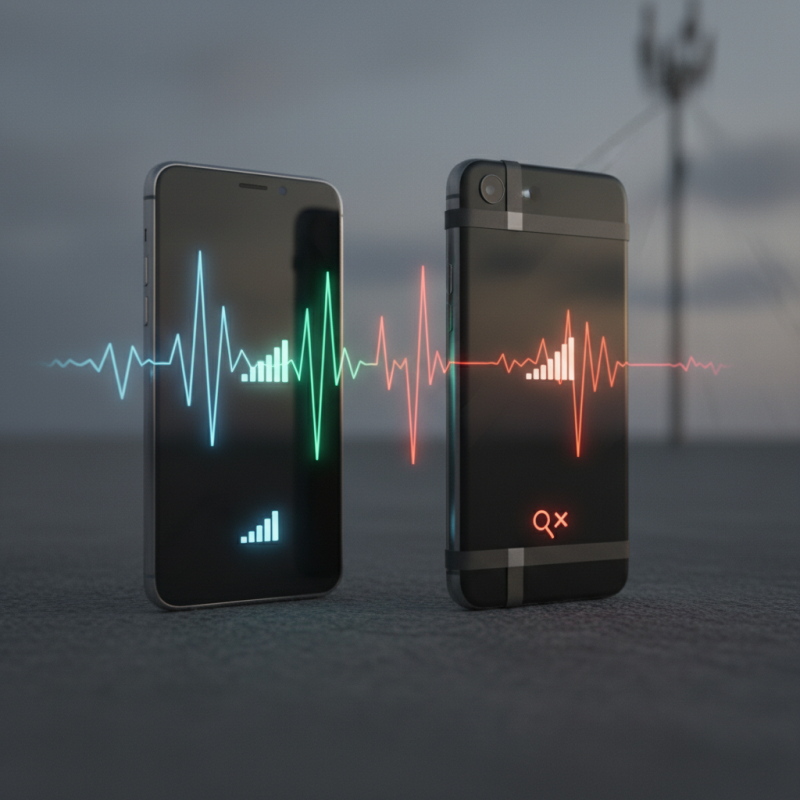
When it comes to smartphone signal strength, several factors play significant roles. The design and material of the phone can impact how well it receives signals. For instance, a metal casing can block signals, while plastic tends to allow better reception. Additionally, the internal antenna's placement is crucial. An antenna located in the right spot can enhance signal strength.
Another key factor is the frequency bands used by the device. Different bands provide varying coverage. Some smartphones support multiple frequency bands, improving their ability to connect. Moreover, the software that manages signal reception also matters. Efficient software can help a smartphone find and hold onto signals better.
Lastly, environmental elements shape signal strength. Urban areas with tall buildings may obstruct signals, while open spaces tend to enhance them. Users may notice their smartphones perform differently in various locations. Understanding these factors helps consumers make informed decisions when choosing a device. The subtle differences in design, software, and environment can lead to noticeable changes in performance.
When discussing smartphone signal strength, antenna design and placement play critical roles.
According to a report by the IEEE, up to 80% of a smartphone's connectivity can be attributed to its antenna performance.
Different designs impact how well devices interact with various networks.
Smartphones often use a combination of multiple antennas to ensure robust signal reception.
Their placement within the device is crucial.
A study from TechInsights highlighted that antennas located at the bottom edge of phones can better avoid interference from other internal components.
This strategic positioning can enhance signal quality significantly.
However, not all designs are perfect. Some manufacturers face challenges in balancing aesthetics with functionality.
Thin chassis can restrict antenna size, leading to compromised performance.
Consequently, users may encounter dropped calls or slow data speeds.
Feedback from field tests reveals that even minor changes in antenna position can result in noticeable differences in signal strength.
When it comes to smartphones, signal strength varies significantly. One crucial factor influencing this is the frequency band used for transmission. Different frequency bands have unique characteristics that affect how well signals penetrate obstacles and travel through the air.
Lower frequency bands, such as those around 600 MHz, can cover broader distances. They penetrate walls and other barriers more effectively. This ability makes them ideal for rural areas with fewer cell towers. However, lower frequencies usually offer slower data speeds. Higher frequency bands, like 2.5 GHz, provide faster data rates. Yet, they struggle with obstacles. They require a clear line of sight, making them less reliable in densely populated environments.
Smartphones equipped with advanced antennas can capture these varying signals better. But not all devices have the same quality of antennas. Some may struggle in areas with mixed frequency use. Poor signal reception leads to frustrating user experiences. While technology continues to evolve, achieving consistent signal strength remains a challenge in the smartphone industry.
| Smartphone Model | Frequency Bands Supported | Signal Reception Strength (dBm) | Network Type |
|---|---|---|---|
| Model A | 850 MHz, 1800 MHz, 2600 MHz | -80 dBm | 4G LTE |
| Model B | 900 MHz, 2100 MHz | -70 dBm | 3G |
| Model C | 700 MHz, 1800 MHz, 2600 MHz | -85 dBm | 4G LTE |
| Model D | 850 MHz, 2100 MHz | -75 dBm | 3G/4G LTE |
| Model E | 700 MHz, 1500 MHz, 2600 MHz | -90 dBm | 4G LTE |
Environmental interference greatly affects smartphone signal quality. Factors such as buildings, trees, and even weather play significant roles. In urban areas, dense structures can block signals. According to a report from the Federal Communications Commission (FCC), up to 30% signal loss can occur in cities with tall buildings.
Additionally, electromagnetic interference from other devices can degrade signal strength. Wireless routers, microwaves, and industrial tools can disrupt cellular signals. The American Association for the Advancement of Science (AAAS) noted that the presence of such devices can reduce signal clarity by about 15-20%. Moreover, natural obstacles like mountains and large bodies of water introduce variability in signal strength.
In rural areas, signal quality can fluctuate based on weather conditions. Rain, fog, or snow may weaken signals by absorbing or scattering radio waves. A study by the International Telecommunication Union (ITU) suggested that adverse weather conditions could lower signal transmission efficiency by 25%. Consequently, even top-tier smartphones may struggle in less-than-ideal environments. Balancing signal strength with environmental factors remains a challenge in smartphone technology.
The strength of a smartphone's signal often relies on the technology used by manufacturers. Antenna design plays a critical role. Some devices utilize multiple antennas to enhance connection quality. This allows them to switch between signals dynamically, improving overall reception. Additionally, advanced materials can affect how signals penetrate the device's body.
Signal optimization techniques are essential. Features like carrier aggregation allow smartphones to combine different frequency bands, leading to a stronger signal. Meanwhile, software enhancements help in optimizing power usage, ensuring better performance in low-signal areas. However, not all smartphones adopt these sophisticated methods. As a result, some models struggle with connectivity issues in challenging environments.
It's important to consider real-world implications. Users often experience frustration when their devices fail to connect. Yet, manufacturers may not always prioritize signal strength in their designs. This focus on aesthetics or cost can compromise performance. Balancing beauty and functionality is a challenge that deserves reflection in the smartphone industry.
: Smartphone signal strength is affected by design, materials, antenna placement, frequency bands, and software efficiency.
Metal casings can block signals, while plastic materials typically allow for better reception.
A well-placed antenna can significantly enhance signal strength and overall connectivity.
Tall buildings, trees, and weather conditions can greatly affect signal clarity and performance.
Dense structures in cities can cause up to 30% signal loss, making connectivity challenging.
Yes, rain, fog, and snow can weaken signals, reducing transmission efficiency significantly.
Multiple antennas and carrier aggregation help enhance connection quality and performance.
Other devices, like microwaves or routers, can interfere and degrade signal strength by 15-20%.
Not all models use advanced signal optimization techniques, leading to connectivity issues.
A focus on aesthetics over functionality can compromise performance, causing user frustration.
The question "Why do some smartphones have better signal strength than others?" can be attributed to several key factors. One of the most significant influences is the design and placement of antennas within the smartphones, which affects how effectively they can connect to networks. Additionally, the frequency bands utilized by different smartphones play a crucial role in signal reception, as certain bands may be more susceptible to interference or have better coverage in specific environments.
Environmental interference also impacts signal quality, with obstacles such as buildings and geographical features potentially degrading the signal. Furthermore, advancements in technology and optimization techniques employed by manufacturers contribute to varying signal strengths. Overall, a combination of antenna efficiency, frequency usage, environmental conditions, and technological improvements explains the discrepancies in signal strength among different smartphone models.
Elite Smartphone