In today's fast-paced digital world, mobile devices play a crucial role in our daily lives. Many people are turning to large screen smartphones for a more immersive experience. But the question remains: does a large screen smartphone affect its overall user experience? This inquiry delves into the various aspects of smartphone usage, from productivity to entertainment.
Larger screens offer advantages, such as enhanced visibility and easier interaction with applications. Reading articles, watching videos, and gaming can become more engaging with a larger display. However, the increased size may also lead to challenges. Users might find it cumbersome to hold or store these devices comfortably. Furthermore, not every app is optimized for larger screens, which can lead to inconsistency in performance.
While many claim that large screen smartphones provide a superior experience, it is essential to consider individual needs. Some users prioritize portability over screen size, while others value multimedia capabilities heavily. As we explore this topic, we seek to understand how device size influences user satisfaction in diverse usage scenarios.
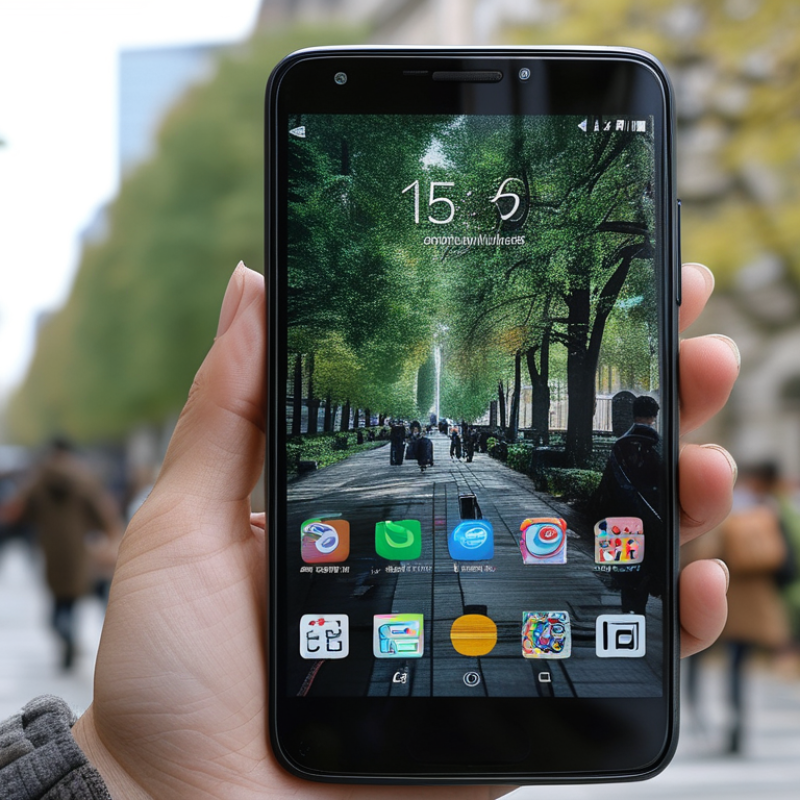
Screen size significantly impacts user interface design.
Larger screens create more space for displaying information. This can improve readability and navigation.
Users often find it easier to engage with content that has ample room. However, designing for large displays can present challenges.
Not all apps transition smoothly from small to large screens.
Moreover, larger screens can lead to information overload.
Users might feel overwhelmed by the amount of visible content. Simplifying interface elements becomes crucial.
Prioritizing essential features ensures clarity. A clean layout aids usability, but achieving balance can be difficult.
Designers must continually reassess their strategies.
Touch targets must be appropriately sized on larger devices. If buttons are too small, they frustrate users.
Conversely, oversized elements can detract from the visual appeal. Testing with real users helps identify these issues.
Engaging in user feedback is invaluable for refining design. Ultimately, the goal is to enhance user experience while navigating the complexities of large screens.
: Larger screens provide more space, enhancing readability and navigation. Users engage better with spacious layouts.
Transitioning from small to large displays can be tricky. Not all apps adapt well, leading to potential usability issues.
Yes, users may feel overwhelmed with too much visible content. Simplifying elements is crucial for clarity and usability.
They need to be appropriately sized. Small buttons frustrate users, while oversized elements can affect visual appeal.
It can cause discomfort during long use. One-handed navigation may also be difficult for some users.
Not necessarily. While they offer immersive experiences, some may find them cumbersome or unnecessary for basic tasks.
A balance between clarity and usability is essential. Continuous reassessment of strategies helps address user needs effectively.
Preferences vary widely. Some enjoy vibrant displays, while others find larger screens bulky and impractical.
The trade-off is between enhanced experience and portability. Users often want convenience alongside a better viewing experience.
Engaging users helps identify issues. Their feedback is vital for refining designs and improving overall user experience.
The article "Does a Large Screen Smartphone Enhance User Experience?" explores the significant impact that screen size has on user interface design and overall usability. It delves into the comparison between large screen smartphones and their smaller counterparts, highlighting how larger displays can facilitate better navigation and interaction. User preferences increasingly lean towards larger screens, driven by trends in media consumption and the desire for enhanced viewing experiences. Furthermore, larger smartphone displays often come with improved accessibility features, making devices more user-friendly for individuals with varying needs.
The discussion raises the key question, "Does a large screen smartphone affect its overall user experience?" and suggests that larger screens indeed enhance many aspects of engagement, from multimedia consumption to everyday tasks. As consumers continue to prioritize screen size in their purchasing decisions, the ramifications on design and functionality within the smartphone market become increasingly evident.

 Elite Smartphone