In today's fast-paced world, smartphones are essential tools for communication and productivity. Many users seek devices that can withstand the rigors of daily life. This curiosity leads to a pressing question: which smartphones are the most durable and resistant to damage?
Durability is not just about scratches or drops; it encompasses water resistance and battery longevity, too. Some brands are known for their robust designs, incorporating advanced materials. Gorilla Glass, aluminum frames, and tight seals against moisture are common features in high-end models. These characteristics often dictate a phone's resilience to everyday mishaps.
Choosing a durable smartphone is crucial for those who lead active lifestyles. However, many consumers may overlook the importance of durability when selecting their devices, prioritizing aesthetics or features instead. Exploring which smartphones are the most durable and resistant to damage can help rectify this oversight, ensuring users make informed choices that reflect their needs and lifestyles.
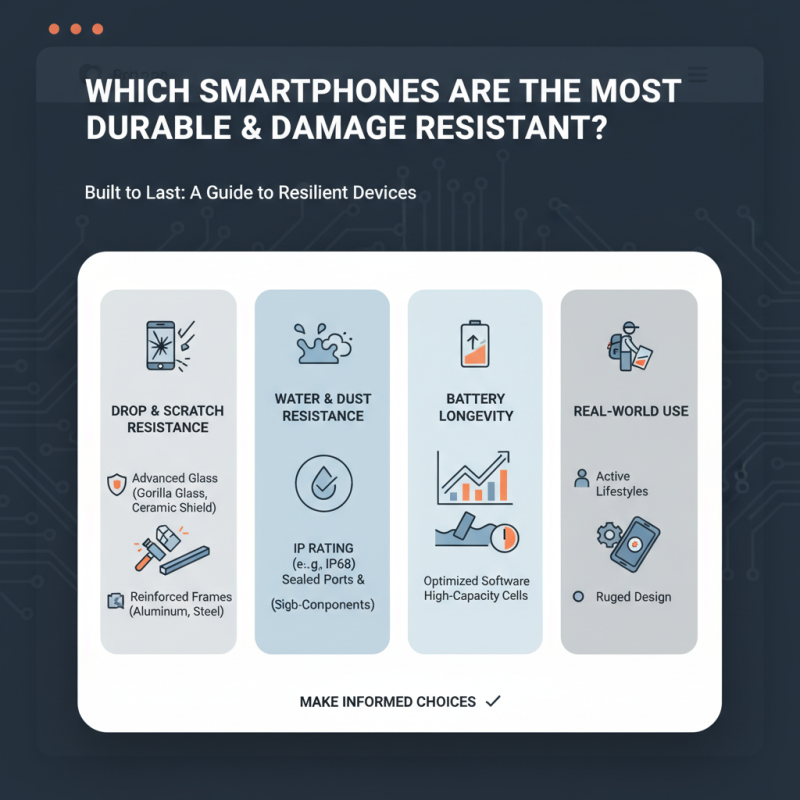
When evaluating smartphone durability, key factors come into play. One must consider materials used in construction, such as glass and metal. High-quality materials, like gorilla glass, offer resistance against scratches and cracks. The type of aluminum or stainless steel used also contributes to the device's overall resilience.
Water and dust resistance are essential features. Many smartphones have IP ratings that indicate their ability to withstand the elements. These ratings are significant, as they dictate how well a device performs under adverse conditions. However, it is crucial to remember that these ratings are not foolproof. Users must remain cautious, as real-world exposure often exceeds controlled testing environments.
Lastly, drop resistance is a major concern. Some recent models undergo rigorous testing to simulate falls from varying heights. Yet, even the most resistant phones can suffer damage if dropped under specific angles. Understanding these limits is necessary. Consumers should think critically about how they use their devices. Being aware of these factors can help guide smarter purchasing decisions.
This chart illustrates the durability scores of various key factors contributing to smartphone durability and damage resistance. Each factor is rated on a scale from 1 to 10, highlighting their importance in overall smartphone resilience.
Smartphone durability is often linked to the materials used in their construction. Manufacturers are increasingly turning to advanced materials to enhance resistance to damage. Commonly used materials include Gorilla Glass and aluminum alloys. According to recent industry reports, Gorilla Glass can withstand drops from a height of over 1 meter, which significantly reduces screen breakage.
Another material frequently utilized is reinforced polycarbonate, which is lightweight yet highly impact-resistant. Some reports suggest that devices featuring this material can endure impacts equivalent to approximately 100 pounds of pressure. Such data demonstrates how critical material choice is for longevity and user satisfaction.
**Tips:** When choosing a durable smartphone, consider one with higher IP ratings for water and dust resistance. Regularly inspect your device for scratches and wear, even if it claims to be damage-resistant. Remember, no material is entirely foolproof. Always use protective cases and screen protectors to add an extra layer of security.
| Material | Durability Rating | Damage Resistance | Commonly Used In |
|---|---|---|---|
| Gorilla Glass | 9/10 | High | Screens |
| Aluminum | 8/10 | Moderate | Chassis |
| Titanium | 9.5/10 | Very High | Frames |
| Polycarbonate | 7/10 | Moderate | Covers |
| Ceramic | 9/10 | High | Back Panels |
In the world of smartphones, durability is a key factor for many users. Several brands distinguish themselves by creating devices that withstand tough conditions. These brands focus on robust design and high-quality materials. Their commitment to durability helps consumers feel more secure with their investment.
One crucial aspect of durable smartphones is their construction. For example, many use reinforced glass and metal frames. Moreover, some models come with water and dust resistance ratings. Users appreciate these features, especially those with active lifestyles. Accidents can happen, and knowing a phone can survive a drop or a splash adds peace of mind.
Feedback from users highlights the need for better advancements in this area. While some devices perform admirably under stress, others may not live up to expectations. The pursuit of durability should not come at the expense of weight or aesthetics. Finding a balance remains a challenge for manufacturers. As technology evolves, brands are pushed to innovate continuously. Users want reliable products that also look good and feel light.
When discussing smartphone durability, it's essential to understand how testing methods work. Various techniques help assess a smartphone's ability to withstand damage. Drop tests are common; they simulate accidental falls to see how well a device holds up. Different heights and surfaces are used for these tests to create realistic scenarios.
Another important method is water resistance testing. This assesses how well a smartphone can survive exposure to moisture. Manufacturers often specify a rating, indicating how long and deep a device can be submerged. Actual conditions may vary, and testing can reveal surprising vulnerabilities.
In addition to standardized tests, real-world user experiences provide valuable insights. Many consumers report how their devices handle daily life challenges. Scratches and cracks aren't always reflected in lab tests. Users often discover weaknesses that professionals might overlook. Overall, the journey towards identifying the most durable smartphones is continuous. Each testing method uncovers new findings worth exploring.
When it comes to durability in smartphones, user experiences tell a compelling story. Many users have shared their encounters with devices that promised toughness but fell short. For instance, some reported cracked screens after minor drops. Others found that water resistance did not hold up in real-life situations. These experiences highlight the variability in damage resistance among smartphones.
Tips: Always use a case. It adds a layer of protection, especially during accidental drops. Screen protectors also help minimize damage. Look for user reviews focused on real-life experiences, not just marketing claims. Many users wish they had researched better before making their purchases.
In specific scenarios, smartphones faced scratches from everyday items. Keys in pockets can leave marks, even on advertised scratch-resistant screens. Users often reflect on these small details they didn't consider before buying. Focusing solely on specs sometimes leads to disappointments. Remember that real-world usage differs from controlled tests. Users advise looking into long-term durability reviews for a clearer picture.
: Key factors include materials, water and dust resistance, and drop resistance. High-quality materials enhance durability.
The materials, like Gorilla Glass and aluminum, enhance resistance to damage. They significantly affect device longevity.
IP ratings indicate how well a device can withstand elements. However, real-world conditions can differ from tests.
Drop resistance relates to rigorous testing from various heights. Some angles can still cause damage despite resistance.
Regularly inspect for scratches, consider protective cases, and choose devices with high IP ratings for extra protection.
Yes, no material is entirely foolproof. Users need to be cautious as real-world exposure can exceed expectations.
Frequently used materials include Gorilla Glass, aluminum alloys, and reinforced polycarbonate for enhanced impact resistance.
User feedback is critical for manufacturers to improve. Devices should balance durability, weight, and aesthetics effectively.
When considering the question, "Which smartphones are the most durable and resistant to damage?", several key factors come into play. Durability is often determined by the materials used in the smartphone's construction, with features such as reinforced glass, metal frames, and water-resistant designs significantly contributing to a device's longevity. Various brands stand out for their commitment to creating robust smartphones, and they often employ rigorous testing methods to ensure their devices can withstand drops, impacts, and exposure to elements.
User experiences and reviews provide valuable insights into the real-world performance of these durable smartphones. Consumers frequently highlight their satisfaction with devices that resist damage from everyday use, showcasing how advanced engineering and design can result in long-lasting technology. By exploring these aspects, individuals can better understand which smartphones not only fulfill their needs but also offer resilience against the rigors of daily life.

Elite Smartphone