In high-luminance industrial control rooms, outdoor fields, medical theatres, and commercial logistics hubs, readibility is not just a convenience—it is a functional necessity. High ambient lighting introduces severe specular reflections that lead to operator fatigue, input errors, and screen unreadability.
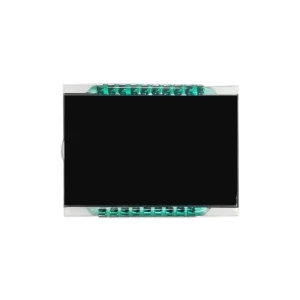
Displays optimized with Anti-Glare (AG) technology alter the surface structure of the panel's glass or outer film. By converting harsh, focused reflected light (specular reflection) into scattered, soft reflections (diffuse reflection), AG screens prevent light sources from obscuring visual data. When assessing global manufacturers and suppliers, procurement teams must look past marketing terms and evaluate concrete metrics: Gloss Units (GU), Haze percentage, and Optical Clarity (Distinctness of Image or DOI).
Additionally, modern touchscreen applications introduce the need for specialized surface treatments to withstand continuous touch inputs without eroding the anti-glare profile or generating screen scintillation (the "sparkle" effect). Understanding the chemical and physics foundations of these treatments is crucial to secure long-term hardware ROI.
The market for anti-glare screens is transitioning from basic consumer-grade overlays to integrated high-durability substrates designed to perform in harsh environments.
Micro-and nano-texturing processes are replacing older spray-coat technologies. Nano-machined surface treatments significantly reduce glare while keeping the Haze index under 5%, eliminating the fuzzy display text often associated with legacy matte screens.
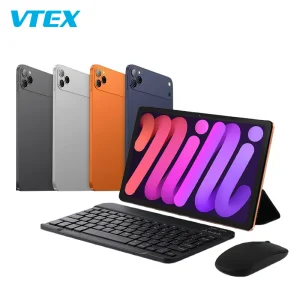
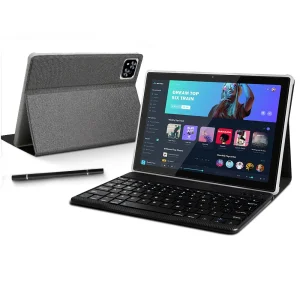
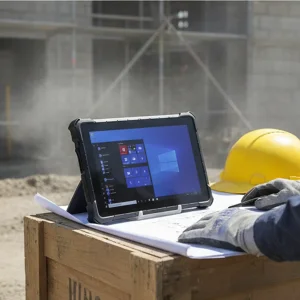
With the rise of tablets in field operations, screen surfaces must match standard stylus pen tips. Advanced AG treatments provide optimal tactile resistance (friction coefficients), mimicking paper while preventing accelerated pen tip wear.
Modern screens combine AG properties with lipophobic coatings. This ensures that fingerprint oils do not fill the microscopic surface grooves, preserving the optical diffusion properties under continuous touch operation.
| Methodology | Gloss Range (GU) | Haze Value (%) | Durability Score | Primary Industrial Use Case |
|---|---|---|---|---|
| Chemical Acid Etching | 50 - 90 GU | 3% - 12% | Excellent (Same hardness as glass) | Industrial Rugged Tablets, Outdoor HMI Panels |
| PVD Coating (Sputtering) | 60 - 95 GU | 1.5% - 5% | High (Scratch resistant, thin film) | Medical Devices, Avionics Screens |
| PET Film Lamination | 40 - 70 GU | 10% - 25% | Moderate (Replaceable surface layer) | Educational Tablets, Point of Sale (POS) Displays |
For B2B procurement managers, evaluating suppliers requires looking at both material quality and production scalability. The following strategic parameters determine long-term display reliability:
An anti-glare screen is only as good as the bonding process that joins it to the LCD/OLED panel. Industrial suppliers must offer Optical Clear Adhesive (OCA) or Optical Clear Resin (OCR) liquid bonding services. Optical bonding eliminates the internal air gap, cutting down internal reflections by up to 99% and significantly improving display contrast under bright light.
A common issue with high-haze matte screens is pixel scintillation or "sparkle". This occurs when the micro-cavities of the AG structure act as tiny lenses, concentrating red, green, and blue light components. Elite manufacturers utilize high-resolution evaluation systems to ensure their AG profiles match sub-pixel pitches, maintaining display clarity on high-density PPI screens.
"Selecting the right haze-to-gloss ratio is critical. A display optimized for indoor hospital clinical use requires low haze (high clarity), whereas an industrial farming vehicle console demands high-haze scattering to counteract direct midday sunlight."
Integrating cutting-edge display engineering with high-capacity assembly systems to deliver robust mobile and industrial display solutions.
Dongguan Elite Smartphone Co., Ltd. is a leading manufacturer, sales, and technical after-sales service provider specializing in high-quality mobile products and advanced touch-display modules. We are dedicated to offering the best in design, functionality, and durability for our customers worldwide. Our company is driven by innovation, with a strong commitment to delivering exceptional products and services.
At Elite Smartphone, we pride ourselves on the quality of our products. Our team of skilled and experienced technicians, alongside our advanced modern production equipment, ensures that every product meets international quality standards. We are committed to maintaining the highest level of quality control, from initial design and production to final delivery. This guarantees that all of our products are not only reliable but also perform excellently across various applications and environments.
Our well-equipped facilities and strict adherence to quality control measures at every stage of production enable us to ensure total customer satisfaction. Whether you are a business partner or an end customer, Elite Smartphone promises consistent, reliable, and innovative products that will meet your needs and exceed expectations.
We are constantly expanding our global reach, with a strong presence in North America, South America, Oceania, and Western Europe. This international network of satisfied customers is a testament to our dedication to providing both high-quality products and exceptional customer service. As we continue to grow and evolve, we remain focused on our core values of excellence, integrity, and customer-first service.
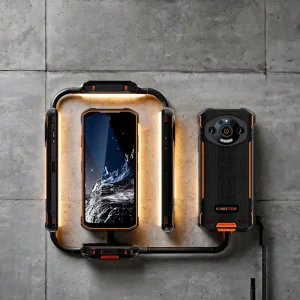
Elite Smartphone is your trusted partner for mobile solutions, offering you not just a product, but a commitment to quality and satisfaction that spans the globe. Our facilities handle high-volume production runs with custom treatments, including Anti-Glare, Anti-Reflective, and Anti-Fingerprint coatings, helping clients build rugged devices that perform reliably in demanding field conditions.
New display technologies require next-generation anti-glare solutions. The following developments outline how screen protection is adapting to flexible and high-resolution displays:
By layering destructive interference coatings (AR) over microscopic diffusion profiles (AG), manufacturers achieve high sunlight legibility without compromising screen contrast. This approach keeps reflectances below 0.5% while maintaining text sharpness.
Using elastic micro-polymers, future anti-glare coatings will be self-healing, automatically repairing minor surface scratches and abrasions. This feature is particularly valuable for field tablets exposed to dust and grit.
Developing robust, chemically etched anti-glare glass that can fold or bend remains a key R&D focus. This technology will allow folding tablets to be used in sunlight without cracking or losing their optical properties.
Expert answers to common engineering, procurement, and installation questions about anti-glare screen technology.
Anti-Glare (AG) screens scatter reflected light across a textured surface to soften harsh reflections. Anti-Reflective (AR) screens use thin-film optical coatings that create destructive light interference to neutralize reflections. AG is more durable and resistant to fingerprints, making it ideal for outdoor touchscreens, while AR offers higher contrast for indoor medical monitors.
No. Chemically etched glass retains its structural integrity. Unlike spray-on coatings that can peel or wear off, the anti-glare properties of chemically etched glass are integrated directly into the surface, ensuring the screen maintains its original 9H hardness.
Haze measures the percentage of light that is scattered as it passes through the screen. Higher haze levels (10% to 25%) provide better glare reduction in direct sunlight but can make the screen look slightly washed out in dark rooms. Industrial displays typically balance this trade-off with a haze level between 4% and 10%.
Sparkle occurs when a screen's textured surface does not match the layout of its sub-pixels. Premium manufacturers use optical modeling to design fine-grained surface patterns that prevent this distortion, ensuring clean, sharp text even on high-DPI displays.
Yes. The textured surface of chemically etched AG glass provides a paper-like tactile feel that improves drawing and writing precision. Procurement teams should specify the target friction coefficient to ensure compatibility with active stylus tips.
Industrial screens must meet ASTM D523 (for gloss measurement), ASTM D1003 (for haze levels), and ISO 13406-2 (governing display ergonomics). For rugged devices, displays must also be tested according to MIL-STD-810H and IP68 standards to ensure reliable operation under extreme conditions.
 Elite Smartphone